Spring Bees
Different Types Of Bees
A Read-Along Activity

Have you heard the familiar buzz of bees flying around your garden yet? Many bees emerge in Spring to fill up on early nectar and find nest sites, so it's the perfect time for the teddy bears to go on a little bee hunt. The bears know that as long as they don't swat at bees or generally annoy them, bees won't sting them. The bears just have to be quiet and still - which admittedly is rather difficult for them!
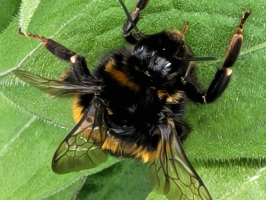
Spring bees in the UK aren't just the bears' favourite fluffy bumblebees; many of the early risers are solitary bees. As their name suggests, these bees lead solitary lives rather than living in a nest with other bees.
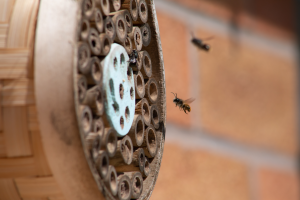
The bears had gone outside on a lovely, sunny day to see if they could find any type of bee yet in their garden. Richard had brought his book about all things 'Bee' with him. He started to read about the solitary bees first. "These wonderful bees are amongst the first to appear in Spring, with some emerging as early as late February. You are most likely to find them feeding in your garden on lungwort, comfrey, ground-ivy, dead-nettles and primroses with their exceptionally long tongues!"
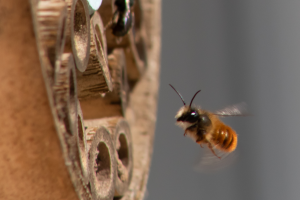
"There are lots of different types like the tawny mining bee, ashy mining bee and early mining bee. There are even some solitary bees called hairy-footed flower bees and they do indeed have very hairy little feet. They are also incredibly territorial and will protect their own small patch of flowers."
"But what about our favourite bumblebees?" asked Henry. "What do you know about them?"
"Well," replied Richard, "Did you know that queen bumblebees are the only members of the colony that survive the Winter?
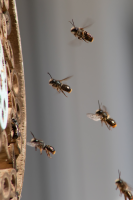
"Then there are honey bees which live in hives and they make the honey we eat on our sandwiches and porridge," continued Richard. "Apparently bees can each travel up to 12 miles a day searching for pollen and nectar in the Summer!"
"They must get very tired wings," Henry said sadly, knowing how much his paws hurt after walking only a short distance."
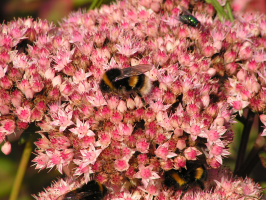
"During the warmer months," resumed Richard, "they build up their stores of both honey and pollen. Some of the honey we eat of course but whatever is left stays in the hive. So, when they retreat to the warmth of the hive around the end of October, honey bees keep themselves full and happy by living off the stores they've built up."
"They don't migrate to find warmer weather like birds do. They rarely leave their hives in Winter at all. But they also don't make any honey then either. Instead they cluster together to keep warm as they really hate cold, damp conditions - a bit like us teddy bears! A cluster is like one giant bee hug, made up of worker bees, all flapping their wings and moving in and out to create and conserve heat. The queen bee is generally found at the centre of this cluster. Despite the tough conditions in the cooler months though, honey bees actually live longer during the Winter due to the fact they're safe and secure in their hive and using less energy than they would whilst foraging in the Summer."
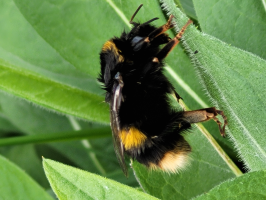
"Now for something very interesting…. Apparently if you listen very carefully outside a hive on Christmas Day, legend has it that you can hear the bees singing a Christmas carol!"
As the weather continues to warm up and the landscape comes alive with insects, keep your eyes peeled for Spring bees in your garden and local green spaces.